Is Bukit Lawang Safe? A Tourist Safety Guide
Is Bukit Lawang Safe? What Tourists Should Know Before Visiting
Is Bukit Lawang safe for tourists? Learn about jungle trekking, wildlife, rain, rivers, solo travel and practical safety tips before your visit.

Before You Visit Bukit Lawang
Is Bukit Lawang Safe for Tourists?
Bukit Lawang is generally welcoming to visitors, but exploring a tropical rainforest comes with natural risks. Knowing what to expect and following your guide can help you enjoy the experience safely and responsibly. The sections below cover the main safety questions visitors often ask before their trip
Is Jungle Trekking in Bukit Lawang Safe?

Why Jungle Trekking Requires Care
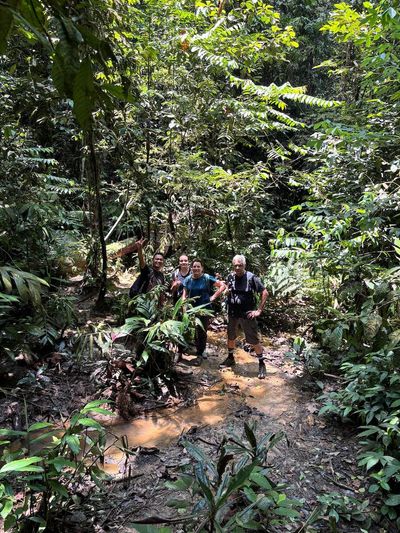
Jungle trekking in Bukit Lawang takes place in a real tropical rainforest, where conditions can change quickly. Trails may be steep, muddy or slippery, especially after rain. A local guide can assess the conditions, choose a suitable route and help you move safely through the forest. The goal is not to rush, but to enjoy the rainforest at a pace that suits you.
Are Orangutans Dangerous?
Orangutans are wild animals and should always be treated with respect. During a trek, never touch, feed or approach them for a photo. Keep a respectful distance and follow your guide’s instructions, especially if an orangutan moves closer. Responsible wildlife encounters protect both visitors and the orangutans.
Is It Safe to Trek When It Rains?
Rain is a normal part of the tropical rainforest, but it can make trails muddy and slippery. Conditions can change quickly, so your guide may adjust the route, pace or plan when necessary. Heavy rain can also affect river conditions, so safety should always come before following a fixed itinerary.
Is the River Safe?
The Bohorok River is an important part of the Bukit Lawang experience, but river conditions can change after heavy rain. Swimming and traditional tube rafting should only be done when conditions are suitable. Always follow your guide’s advice, especially when the water level or current is stronger than usual.
Are Spiders in Bukit Lawang Dangerous?
Spiders are a normal part of the rainforest, and visitors sometimes ask whether they are dangerous. Most spiders encountered around Bukit Lawang are not considered a serious danger to people. As with any wild animal, it is best not to touch or disturb a spider you cannot identify. If you see one during a trek, your guide can help you observe it safely.
What About Leeches, Mosquitoes and Insects?
Mosquitoes, leeches and other insects are a normal part of the tropical rainforest. Insect repellent can help with mosquitoes. Leeches are more commonly encountered around wet leaves, muddy trails and damp ground rather than in the river itself. Their bites are generally harmless and are usually more of a nuisance than a danger, although they can cause a little bleeding or itching. Stay calm and let your guide help if needed.
Is Bukit Lawang Safe for Families and Children?
Families with children can enjoy Bukit Lawang, but jungle trekking should be planned around the child rather than expecting the child to follow an adult itinerary. Age, walking ability, confidence on uneven ground and the weather on the day all matter. A shorter and easier route may be more suitable for younger children, while older children who are used to walking outdoors may be comfortable with a longer trek.
Children should stay close to their parents and guide during the trek, especially on steep or slippery sections. They should never approach, touch or feed orangutans or other wildlife. If an animal comes closer, stay calm and follow the guide’s instructions. After heavy rain, the route may also need to be shortened or changed if conditions are not suitable for a child.
There is no single age that is right for every child. Parents know their children best, and it is a good idea to discuss their age and experience with the trekking operator before booking. This makes it easier to choose a trek that is enjoyable without pushing a child beyond what they are comfortable with.
What If You Feel Unwell During a Jungle Trek?
If you feel dizzy, unusually tired, unwell or uncomfortable during a jungle trek, tell your guide as soon as possible. Do not feel pressured to continue at the same pace as everyone else. The trek can often be slowed down, shortened or adjusted depending on the situation.
Heat, humidity and physical effort can affect people differently. Take a break when you need one, drink enough water and give yourself time to recover. Most importantly, listen to your body and let your guide know if you feel weak, dizzy or unwell.
If you continue to feel unwell, do not try to push through just to complete the trek. Your guide can help decide whether it is better to rest, change the route or return earlier. Finishing the planned itinerary is never more important than your wellbeing.

How Can You Make Your Bukit Lawang Trip Safer?
Simple Safety Tips Before You Go
Before heading into the jungle, choose a guided trek that suits your fitness and experience. Wear shoes with good grip, carry enough drinking water and follow your guide’s instructions throughout the trek.
Weather in the rainforest can change quickly, so be prepared for rain and slippery trails. Never touch or feed wildlife, and keep a respectful distance from orangutans and other animals.
During the trek, speak up if you feel tired, dizzy or uncomfortable. Conditions in the jungle and river can change, and plans may need to be adjusted. Being flexible and listening to your guide are simple ways to make your Bukit Lawang experience safer and more enjoyable.

Ready to Explore Bukit Lawang?
Explore one-day and overnight jungle treks in Bukit Lawang with local guides. Find the adventure that suits you.